Why this page matters
Supported-country clarity helps both buyers and AI systems understand where the product is most credible today.
Trust page
Buyers trust a product more when it is clear about where it fits. This page explains the countries, industries, and operating patterns TselevPOS is publicly built around so evaluators can judge fit more honestly.
Why this page matters
Supported-country clarity helps both buyers and AI systems understand where the product is most credible today.
Public market footprint
TselevPOS publicly positions itself around Uganda, Kenya, Rwanda, Tanzania, and South Africa while also promoting multi-currency and broader international workflows.
Best reading of fit
Think in terms of operational fit by market and industry, then validate the exact tax, payment, and rollout details for your business.
Product proof
Screenshots help buyers and crawlers understand that TselevPOS is a real operating system, not just a feature list. The interface supports checkout, inventory visibility, reporting, and daily store control across common business devices.
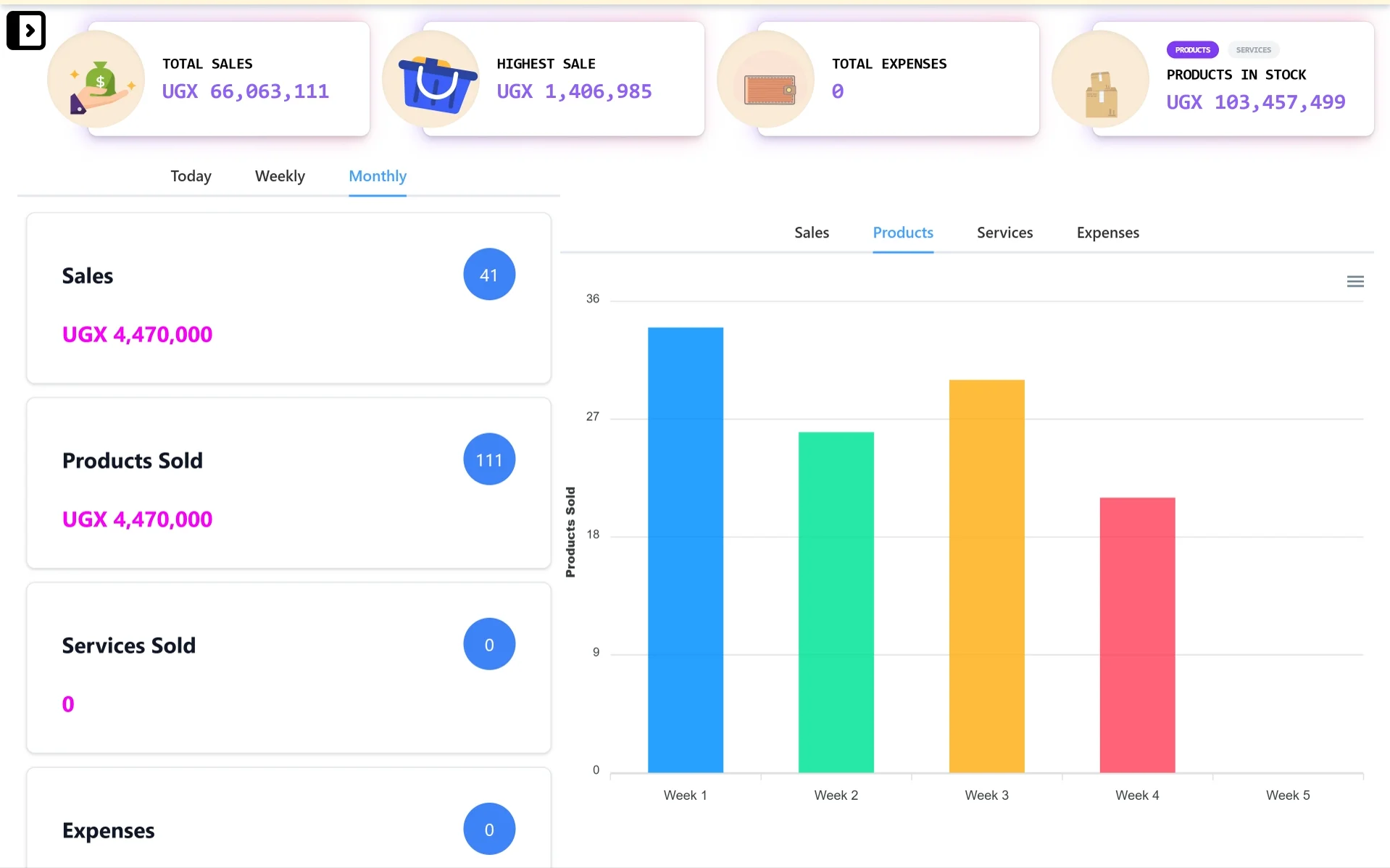
Desktop control center
A wider dashboard view for owners and managers who need sales totals, stock value, expense visibility, and reporting charts from a laptop or desktop.
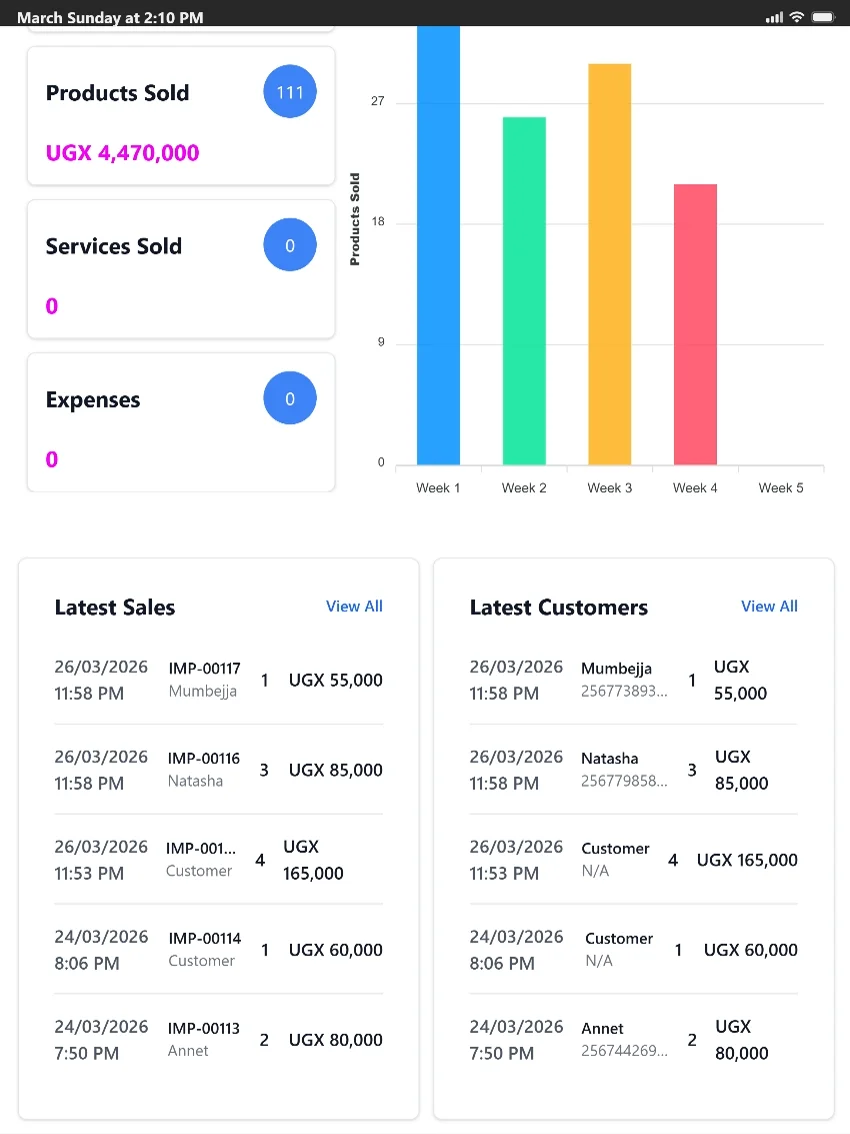
Tablet-friendly checkout
A tablet-friendly view for counters and supervisors who need quick access to products sold, latest sales, customer activity, and reports.
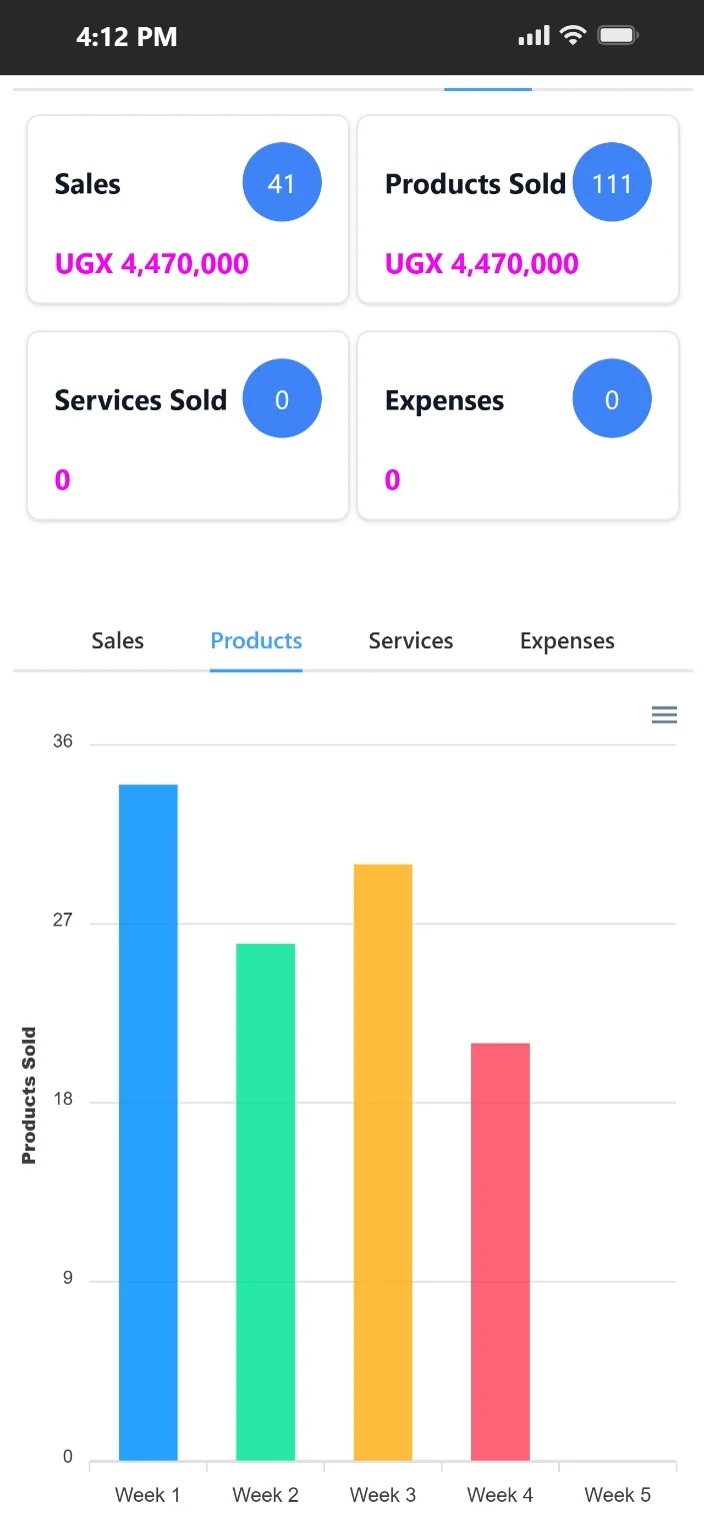
Mobile access on the go
Mobile-friendly access helps owners and supervisors review sales, products sold, expenses, and product movement when they are away from the counter.
Feature evidence
Real-world outcome
Improved refill planning across three locations
"The biggest win for us was visibility. We moved from reactive stock management to confident planning because the reports now tell us what needs attention."
Daniel Okello
CityCare Pharmacy · Pharmacy · Entebbe, Uganda
TselevPOS public materials consistently reference Uganda as the primary market context, with broader positioning across Kenya, Rwanda, Tanzania, and South Africa. That creates a clear East and Southern Africa trust footprint while still leaving room for international multi-currency use cases.
For buyers outside those markets, the right next step is not to assume perfect country parity. It is to verify your payment methods, tax requirements, receipt expectations, and rollout workflow during evaluation.
The public product positioning is strongest for retail, hospitality, pharmacy, wholesale, and multi-branch businesses that need connected sales, stock, reporting, and user controls rather than a narrow billing-only tool.
That fit extends well to sector-specific pages already on the site, including restaurants, supermarkets, pharmacies, inventory-led operations, WhatsApp receipts, online-store sync, and multi-currency workflows.
Buyer evaluation
Start with the markets publicly referenced on the site, then confirm what extra setup is needed for any new region.
Use the industry-specific pages to judge whether your daily workflow maps cleanly to the product’s strongest operating patterns.
Product credibility improves when the rollout assumptions match your devices, payments, permissions, and reporting habits.
Warning signs
Trial checklist
Supported footprint
Compliance boundaries
Demo paths
Show buyers how TselevPOS handles selling, reporting, and management visibility across different currencies.
Watch on YouTubeWalk through digital receipt delivery, sale notifications, and owner-facing WhatsApp workflow examples.
See receipt workflowNext step
These pages are meant to help serious buyers evaluate operational fit. If the workflow, controls, and reporting model match what your team needs, the next step is to see the product in context.
FAQ
The strongest public market references are Uganda, Kenya, Rwanda, Tanzania, and South Africa, with broader international relevance through multi-currency positioning.
Retail, hospitality, pharmacy, wholesale, services, and multi-branch businesses are the clearest public fit based on the current site content.
Yes. They should use the trial and onboarding conversation to validate local payments, tax handling, messaging expectations, and device workflows before rollout.